Psychiatry & Neuromodulation

TMS for Treatment-Resistant Depression

When multiple medications have failed, TMS offers a proven, FDA-cleared alternative to reclaim your life from severe, persistent depression.

2+
Meds Failed
FDA
Cleared for TRD
30%
Of MDD is TRD
0
Systemic Side Effects
Understanding Treatment

Breaking the Cycle of Failed Meds

Understanding what makes depression "treatment-resistant" and how neuromodulation bypasses the limitations of oral drugs.

Section 01

What is Treatment-Resistant Depression?

When traditional oral antidepressants fail to provide adequate relief.

Treatment-Resistant Depression (TRD) is generally defined as a major depressive episode that has not responded adequately to at least two different antidepressant trials of adequate dose and duration.

Clinical studies, like the STAR*D trial, have shown that with each failed medication trial, the odds of the next medication working decrease significantly, while the likelihood of experiencing intolerable side effects increases. For roughly 30% of depressed patients, oral medications simply will not work.

If you've spent months or years switching from one pill to another without relief, the problem isn't you—it's that you may have a treatment-resistant subtype of depression.

Brain mapping of treatment resistant depression
Section 02

A Paradigm Shift in Treatment

Why a physical treatment succeeds when chemical treatments fail.

Patient receiving TMS therapy

Medications work chemically, traveling through the bloodstream to bathe the entire brain (and body) in neurotransmitters. If a patient’s specific depressive neuro-circuitry isn't responsive to these global chemical shifts, the patient won't get better.

TMS works electromagnetically. It bypasses the digestive system and the blood-brain barrier completely. By using focused magnetic pulses, TMS directly stimulates the neurons in the prefrontal cortex—the exact physical location where depression is rooted. This direct stimulation forces the sluggish neural networks to become active again, frequently succeeding where chemistry alone could not.

01

Direct Stimulation

Bypasses the body's systemic metabolism to directly activate the brain's mood centers.

02

Neuroplastic Growth

Induces the brain to physically rewire itself, creating stronger, healthier pathways.

03

Durable Relief

Because it addresses the structural component of the network, relief is often long-lasting.

Section 03

Advanced Protocols for Boundless Hopel

Dr. Amin utilizes the latest in neuromodulation technology to tackle the hardest-to-treat cases.

Precision Targeting

We use exact brain mapping techniques tailored to each individual's neuroanatomy for maximum coil efficacy.

Dual-Targeting Potential

For patients with severe comorbid anxiety, protocols may be adjusted to stimulate/inhibit multiple targets simultaneously.

Spravato Synergy

As an interventional psychiatrist, Dr. Amin can combine TMS with Spravato (Esketamine) to aggressively treat rigid TRD.

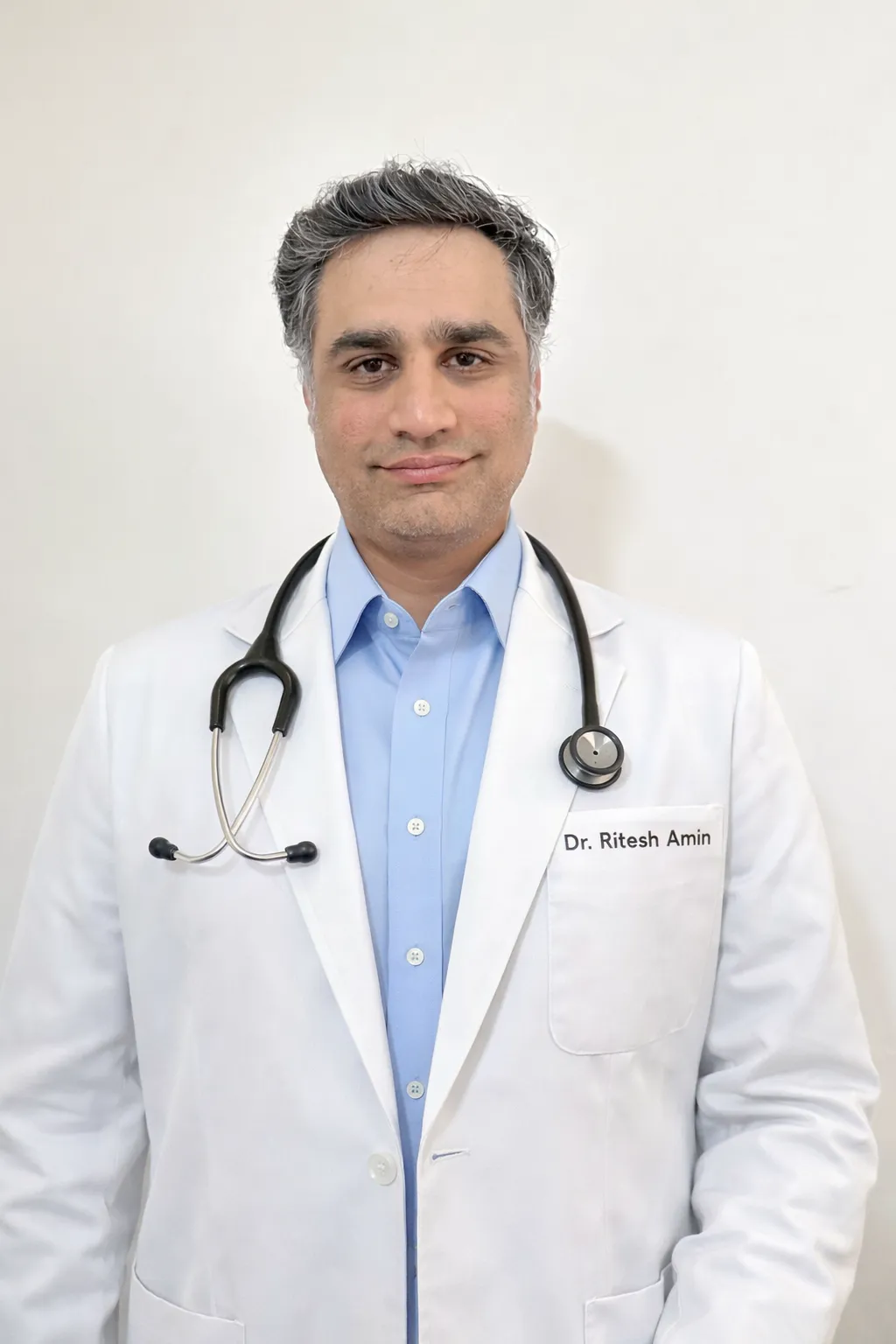
Dr. Ritesh Amin
Expertise in Interventional Psychiatry

Meet Dr. Ritesh Amin, MD

Board Certified Psychiatrist

Having witnessed countless patients lose hope after cycling through dozens of medications, Dr. Amin specializes specifically in Treatment-Resistant Depression. He operates as an expert in Interventional Psychiatry—using advanced tools like TMS, Ketamine, and Spravato to aggressively and successfully manage diseases that others have given up on.

Read Full Biography
Frequently Asked Questions

TRD & TMS FAQs

No. In fact, most patients continue to take their current antidepressant regimen while undergoing TMS. TMS acts as a compliment, altering the neural environment so that your brain can finally emerge from depression without the risk of additional drug-drug interactions.
Yes. The defining criteria for insurance coverage of TMS is usually failing 2-4 antidepressant trials in the current episode. Because you have a clear history of Treatment-Resistant Depression, you are precisely the candidate that modern insurance policies approve for TMS.
Patient Stories

Real People, Real Results

Hear from patients whose lives were transformed through Dr. Amin's care.

S

Syeda Shebah Ali

★★★★★
" Before becoming a patient of Dr. Amin, I was experiencing persistent cognitive fog, chronic depression, and generalized anxiety that significantly impacted my ability to function day to day. Since implementing Dr. Amin's comprehensive recommendations, my cognitive clarity has returned, my mood has stabilized, and I now have the energy and confidence to manage daily tasks. Dr. Amin's thoughtful and integrative approach has been transformative — his attention to detail and commitment to addressing root causes rather than just symptoms has helped me reclaim my quality of life.
Google Review
Don't Accept Depression As Normal

Find Your Breakthrough

It's time to try a treatment that works differently. Contact Dr. Ritesh Amin to discover if TMS is the right path forward for your TRD.

Book Your Consultation Today