Psychiatry & Neuromodulation

TMS for Major Depression

FDA-cleared, non-medication therapy for Major Depressive Disorder. Gently stimulating the brain's mood centers to restore emotional balance naturally.

FDA
Cleared Therapy
70%
Response Rate
Non-Med
Drug-Free Approach
0
Systemic Side Effects
Understanding Treatment

A New Pathway to Relief

How targeted magnetic stimulation addresses the biological root of depression when medications fall short.

Section 01

The Biological Root of Depression

Depression is a physical condition of the brain circuitry, not just an emotional state.

Major Depressive Disorder (MDD) is characterized by persistent a feelings of sadness, loss of interest, and a lack of energy. Research has shown that in depressed individuals, certain areas of the brain—specifically the left Dorsolateral Prefrontal Cortex (DLPFC)—are physically underactive.

This area of the brain is responsible for regulating mood, motivation, and executive function. When neural activity in the DLPFC drops, communication with deeper emotional centers (like the amygdala) becomes disrupted, leading to the entrenched symptoms of depression.

Unlike traditional antidepressants that bathe the entire brain in chemicals, TMS precisely targets this specific, underactive region to "wake it up."
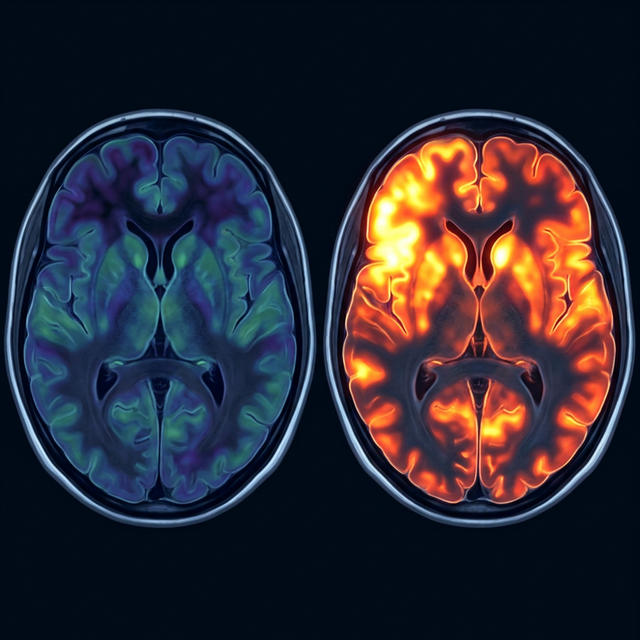

Brain scan comparison showing depression
Section 02

How TMS Lifts Mood

Utilizing electromagnetic pulses to stimulate neuroplasticity and restore neural communication.

Patient receiving TMS therapy for depression

Transcranial Magnetic Stimulation (TMS) uses highly focused, MRI-strength magnetic pulses to stimulate the nerve cells in the prefrontal cortex. The changing magnetic field induces a mild electrical current in the superficial layers of the brain.

Over a course of treatment (typically 4-6 weeks), these repeated pulses encourage neuroplasticity. Existing neurons form new, stronger connections, and the brain's natural mood-regulating neurotransmitters (like serotonin and dopamine) are released locally where they are needed most.

01

Precise Targeting

The magnetic coil is carefully positioned over the left DLPFC to ensure maximum efficacy for mood elevation.

02

Cellular Activation

Magnetic pulses painlessly cross the skull, causing dormant neurons to fire and release neurotransmitters.

03

Lasting Change

Cumulative sessions "retrain" the brain circuitry, often leading to months or years of sustained remission from depression.

Section 03

Symptoms Relieved by TMS

Comprehensive relief across the spectrum of major depressive disorder.

Persistent Sadness

Lifting the heavy, persistent feelings of melancholia, tearfulness, and emptiness.

Anhedonia

Restoring the ability to feel pleasure and interest in hobbies, socializing, and daily life.

Fatigue & Energy

Addressing the profound physical and mental exhaustion characteristic of severe depression.

The Benefits of Non-Systemic Care

Why Choose TMS for Depression?

Escape the trial-and-error cycle of oral medications and their systemic side effects.

No Medication Side Effects

TMS does not cause weight gain, sexual dysfunction, insomnia, memory loss, or the "zombie-like" emotional blunting often associated with SSRIs.

Outpatient Convenience

Treatments last about 20 minutes. There is no anesthesia or sedation required, meaning you can drive yourself back to work or home immediately after.

High Efficacy Rates

Clinical trials show that a majority of patients experience significant improvement, and many achieve full clinical remission, even after multiple medications have failed.

Dr. Ritesh Amin
Expertise in Interventional Psychiatry

Meet Dr. Ritesh Amin, MD

Board Certified Psychiatrist

Dr. Amin understands the profound frustration of dealing with persistent depression. Rather than endlessly adjusting pill dosages, he utilizes FDA-cleared TMS to address the biological underpinnings of the disorder, offering a highly effective, targeted solution to restore your quality of life.

Read Full Biography
Frequently Asked Questions

TMS for Depression FAQs

No, TMS is entirely different from Electroconvulsive Therapy (ECT). ECT requires medication, general anesthesia, explicitly induces a seizure, and carries a high risk of memory loss. TMS is non-invasive, requires no anesthesia, induces no seizures, and has no systemic side effects. You are awake and alert during the entire TMS procedure.
While every patient is different, most individuals begin to notice subtle improvements in their mood, energy levels, and sleep patterns within the second or third week of daily treatments. Full benefits are typically realized shortly after completing the 6-week protocol.
Yes, TMS therapy for Major Depressive Disorder is covered by most major commercial insurances, as well as Medicare, provided you meet their specific medical necessity criteria (usually involving a history of trying and failing a certain number of antidepressants).
Patient Stories

Real People, Real Results

Hear from patients whose lives were transformed through Dr. Amin's care.

S

Syeda Shebah Ali

★★★★★
" Before becoming a patient of Dr. Amin, I was experiencing persistent cognitive fog, chronic depression, and generalized anxiety that significantly impacted my ability to function day to day. Since implementing Dr. Amin's comprehensive recommendations, my cognitive clarity has returned, my mood has stabilized, and I now have the energy and confidence to manage daily tasks. Dr. Amin's thoughtful and integrative approach has been transformative — his attention to detail and commitment to addressing root causes rather than just symptoms has helped me reclaim my quality of life.
Google Review
Find Hope Again

Ready to Overcome Depression?

If you are tired of battling depression and struggling with medication side effects, see if TMS is right for you.

Transform Your Mental Health

Take the Next Step Toward Joy

Innovative, non-invasive technology to restore your emotional well-being without systemic side effects.

Book Your Consultation Today