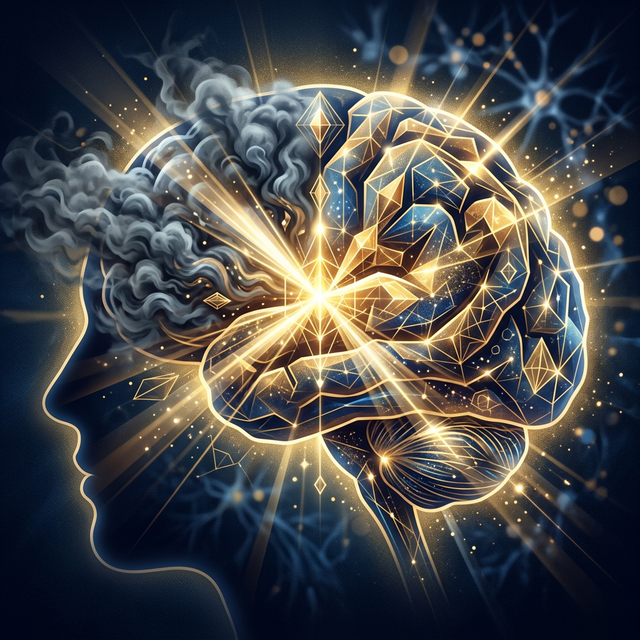
Advanced neuromodulation to calm tremors, reduce rigidity, and improve motor coordination — providing a non-invasive adjunct to traditional Parkinson's management.
Dr. Amin utilizes specific TMS protocols to stimulate the motor cortex and supplementary motor areas, helping to overcome the neural "braking" that occurs in Parkinson's Disease.
Reducing stiffness and improving movement speed by stimulating the supplementary motor area and primary motor cortex.
Parkinson's Disease is characterized by a loss of dopamine-producing neurons, which leads to over-inhibition in the brain's motor circuits. This results in bradykinesia (slowness of movement), rigidity, and postural instability. While levodopa remains the gold standard, many patients experience "off-periods" or side effects like dyskinesia.
TMS offers a non-pharmacological way to modulate these circuits. By applying high-frequency excitatory pulses to the Motor Cortex (M1) and Supplementary Motor Area (SMA), TMS can boost cortical excitability, helping the brain overcome the "braking" signals and allowing for smoother, faster movement initiation.
Studies have shown that repetitive TMS can improve walking speed and reduce the "freezing of gait" that often occurs in advanced Parkinson's patients.
Increasing the speed of movement initiation and execution by priming the motor cortex.
Reducing muscle stiffness and improving limb mobility through targeted cortical modulation.
Improving balance and reducing the risk of falls by enhancing motor network coordination.

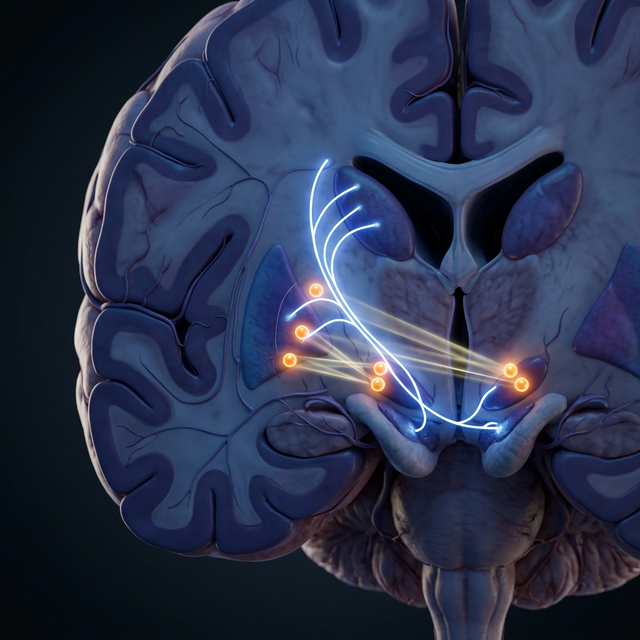
Disrupting the pathological oscillations in the thalamo-cortical loops that drive resting tremors.
The "pill-rolling" resting tremor is one of the most visible symptoms of Parkinson's. It is driven by abnormal rhythmic firing deep within the brain (the basal ganglia and thalamus) that synchronizes with the motor cortex.
TMS can intervene by delivering pulses at specific frequencies that de-synchronize these pathological rhythms. By targeting the motor cortex and premotor areas, TMS acts as a "pace-setter," helping to reset the overactive motor circuits and diminish the intensity of the tremor.
Dr. Amin distinguishes between resting tremor and other types of tremor to ensure the optimal stimulation frequency is used.
Precise pulses are delivered to the motor cortex to interrupt the synchronization of tremor-driving circuits.
TMS can often help manage tremors during "off-periods" when medication effectiveness is at its lowest.
Addressing the "non-motor" symptoms of Parkinson's by stimulating the prefrontal cortex.
Parkinson's Disease is not just a motor disorder. Up to 50% of patients experience depression, and many develop cognitive changes such as slowed thinking, executive dysfunction, and memory issues. These symptoms often have a greater impact on quality of life than the motor symptoms themselves.
TMS is FDA-cleared for Depression. By targeting the Dorsolateral Prefrontal Cortex (DLPFC), TMS can re-energize language and executive networks that have become under-active. This not only improves mood but can also enhance cognitive processing speed and mental clarity in Parkinson's patients.
| Symptom | How TMS Helps |
|---|---|
| Depression | Boosts serotonin and dopamine signaling in the prefrontal reward circuits. |
| Executive Function | Enhances connectivity in the brain's "control" networks to improve planning and attention. |
| Mental Fatigue | Reduces "brain fog" by increasing overall cortical excitability and neural efficiency. |
We integrate TMS as a powerful adjunct to your existing Parkinson's management plan.
Identifying the specific cortical nodes driving your motor symptoms to ensure precise stimulation placement.
Addressing motor, cognitive, and mood clusters by targeting multiple brain regions in a single session when necessary.
Designing your TMS schedule to maximize the effectiveness of your existing medications while reducing "off" time.
Dr. Amin provides specialized care for Parkinson's disease symtoms, using advanced TMS protocols to address both the motor and emotional challenges that patients face. His goal is to improve daily function and quality of life through science-backed neuromodulation.
Read Full BiographyHear from patients whose lives were transformed through Dr. Amin's care.
Dr. Amin provides thorough evaluations to determine if TMS can help you manage tremors, stiffness, or mood symptoms as part of your comprehensive care plan.
Advanced neuromodulation can help you move smoother and feel better. Dr. Amin and our team are here to help.
Book Your Consultation Today