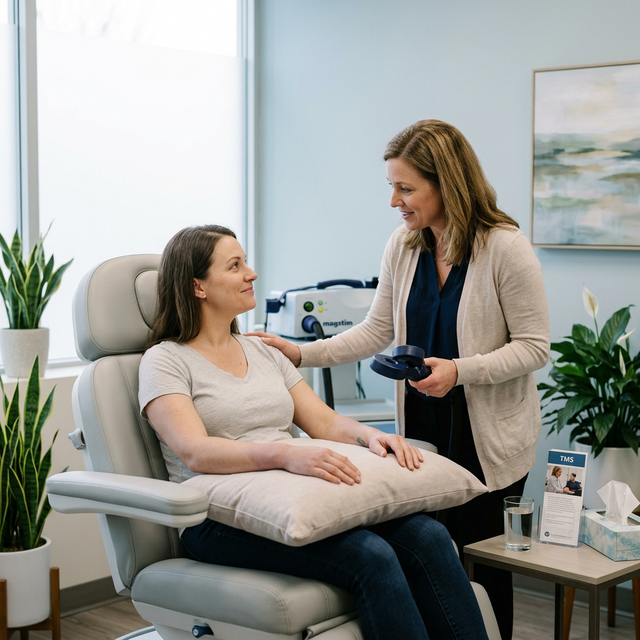
Addressing chronic pain at its source—the brain. Advanced neuromodulation to 'rewire' hyperactive pain networks for conditions like Fibromyalgia, CRPS, and Neuropathy.
When pain becomes chronic, the brain's "pain matrix" becomes hyper-sensitized. TMS targets the Motor Cortex and Prefrontal areas to dampen this aberrant signaling.
Addressing widespread musculoskeletal pain by targeting central sensitization.
Fibromyalgia is now understood primarily as a disorder of **central sensitization**. This means the brain and spinal cord amplify pain signals, turning what should be a normal sensation into widespread, chronic pain. Patients often suffer from severe fatigue, "fibro fog," and poor sleep as a result.
TMS offers a way to directly influence this central amplification. By applying high-frequency magnetic pulses to the Primary Motor Cortex (M1), TMS stimulates descending pain inhibitory pathways in the spinal cord, effectively "dialing down" the volume of the pain signals traversing the body.
Clinical studies show that M1 stimulation can provide significant, long-lasting relief from total body pain associated with Fibromyalgia, improving overall quality of life.
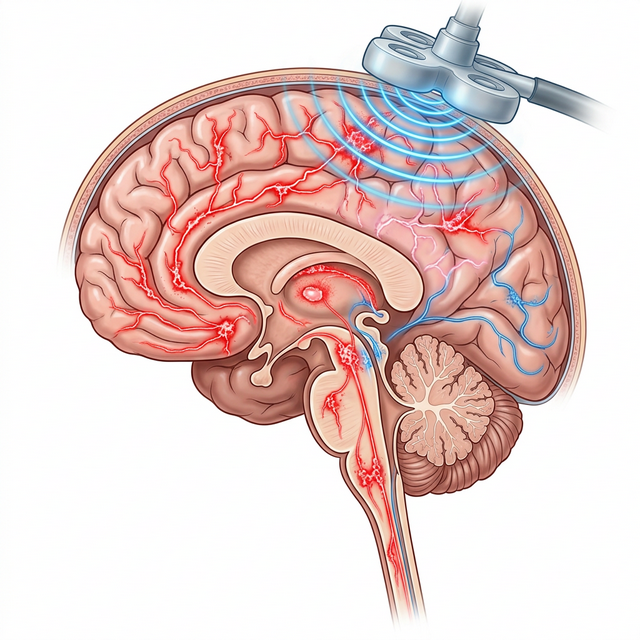
Dialing back the hyper-reactivity of the central nervous system to reduce ongoing body aches.
Improving executive function and mental clarity often clouded by chronic pain and poor sleep.
Increasing energy levels indirectly as the exhausting burden of managing chronic pain is lifted.
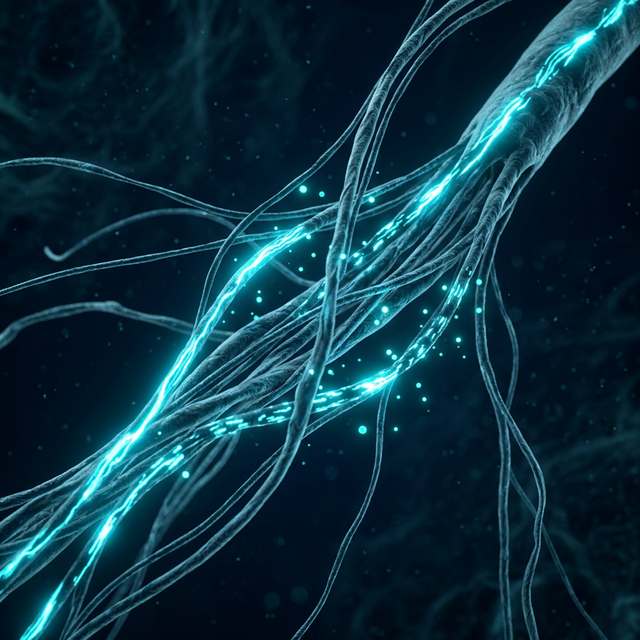
When nerve damage sends continuous pain "static," TMS offers central relief.
Neuropathic pain originates from damaged peripheral nerves (such as in diabetic neuropathy, post-herpetic neuralgia, or spinal cord injury). However, over time, the brain "learns" this pain, creating persistent, agonizing sensations—like burning or electric shocks—even if the initial injury has healed.
While medications like Gabapentin attempt to dull the nerves systemically, bringing sedation and weight gain, TMS targets the brain's Pain Matrix (the thalamus, insula, and somatosensory cortex) via the Motor Cortex. This top-down neuromodulation interrupts the entrenched pain loops, providing relief without systemic side effects.
Precise mapping of the Motor Cortex ensures stimulation corresponds to the specific area of the body experiencing pain.
Magnetic pulses induce electrical currents that activate descending, pain-blocking neurotransmitter systems.
Repeated sessions induce neuroplastic changes, encouraging the brain to "forget" the chronic pain signal.
A non-invasive alternative for one of the most agonizing neuropathic conditions.
Complex Regional Pain Syndrome (CRPS) is a severe, debilitating condition usually affecting one limb after an injury. It involves profound autonomic dysfunction and extreme hyperalgesia (sensitivity to pain). Traditional treatment often involves heavy narcotics, nerve blocks, or surgically implanted spinal cord stimulators.
TMS offers a completely non-invasive alternative to spinal surgery. By applying high-frequency stimulation to the motor cortex representing the affected limb, TMS can modulate both the sensory pain pathways and the autonomic dysregulation driving the disorder. It is an excellent option for patients who are poor surgical candidates or wish to avoid implanted hardware.
| Feature | Surgical Neurostimulator (SCS) | TMS Therapy |
|---|---|---|
| Invasiveness | Surgical implantation into the spine. | Completely non-invasive. |
| Hardware | Requires internal battery and leads. | None. Delivered externally. |
| Target | Spinal cord dorsal columns. | The brain's central Pain Matrix. |
| Recovery | Surgical recovery required. | Zero downtime. Drive home same-day. |
Chronic pain and depression share the exact same neural pathways. We treat both.
When necessary, we can stimulate the Motor Cortex (M1) for direct pain relief, and the Prefrontal Cortex (DLPFC) to address the debilitating anxiety and depression caused by living with chronic pain.
We find your exact "motor threshold"—the precise magnetic intensity needed to activate your neurons—ensuring the treatment is both effective and comfortable.
The ultimate goal of our TMS pain protocol is to provide enough central relief that patients can safely taper down their reliance on heavy opioid medications and gabapentinoids.
Dr. Amin recognizes that severe chronic pain is not just a physical sensation; it deteriorates a patient's entire emotional and mental well-being. By utilizing "off-label" TMS protocols supported by European and emerging US research, he offers hope to patients who have exhausted traditional pain management routes.
Read Full BiographyHear from patients whose lives were transformed through Dr. Amin's care.
If medications and conservative therapies haven't relieved your chronic pain, it's time to explore cortical neuromodulation with Dr. Amin.
Non-invasive. Non-systemic. Discover how TMS can 'rewire' your brain's pain matrix.
Book Your Consultation Today