Neurology & Brain Stimulation

Advanced TMS for Neurological Disorders

Harnessing the power of precision neuromodulation to promote neuroplasticity, restore function, and improve quality of life for patients with complex neurological conditions.
Advanced TMS for Neurological Disorders

FDA Approved

Safe & Effective Treatment
Treatment Overview

Redefining Neurological Recovery

Traditional neurological treatments often rely heavily on systemic medications that can cause widespread side effects. For many patients dealing with the aftermath of a stroke, traumatic brain injuries, or movement disorders, progress can plateau, leaving them searching for alternative solutions.

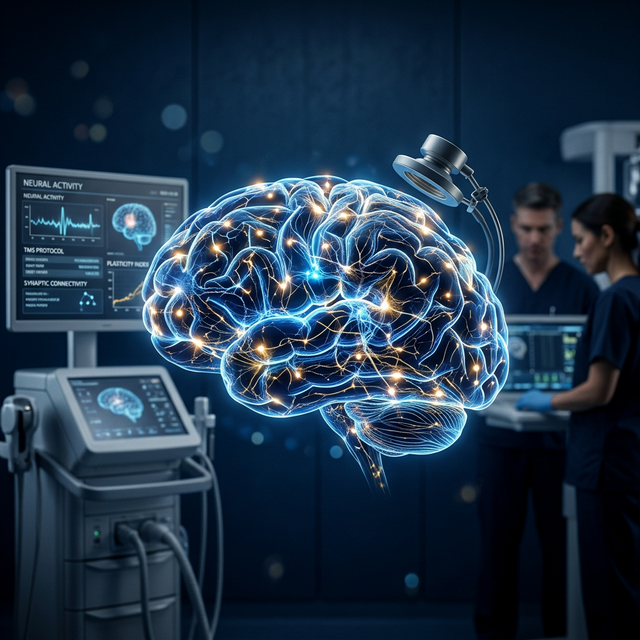
Transcranial Magnetic Stimulation (TMS) is emerging as a groundbreaking intervention in neurology. By delivering highly focused magnetic pulses to specific motor and cognitive centers of the brain, TMS directly stimulates neural pathways, encouraging the brain's natural ability to rewire and heal itself (neuroplasticity).

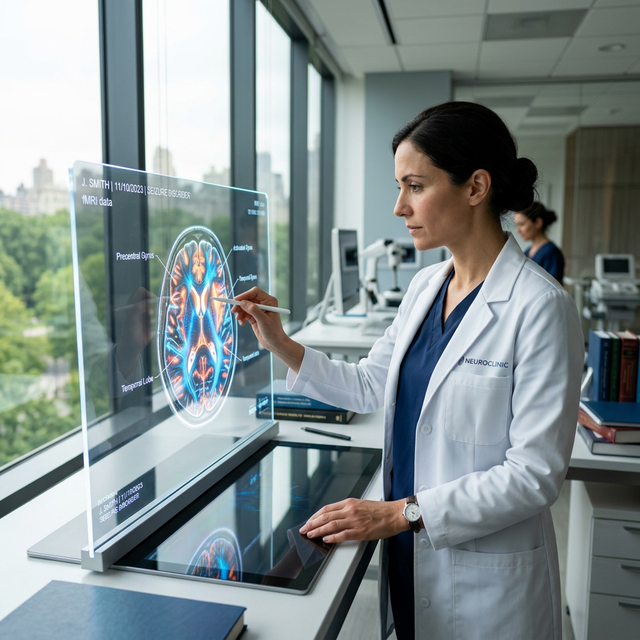
Dr. Ritesh Amin utilizes cutting-edge TMS protocols to target specialized neurological conditions. This non-invasive, outpatient therapy offers new hope for patients seeking to regain motor function, reduce neuro-inflammation, and manage chronic neurological symptoms.

Treatment Overview
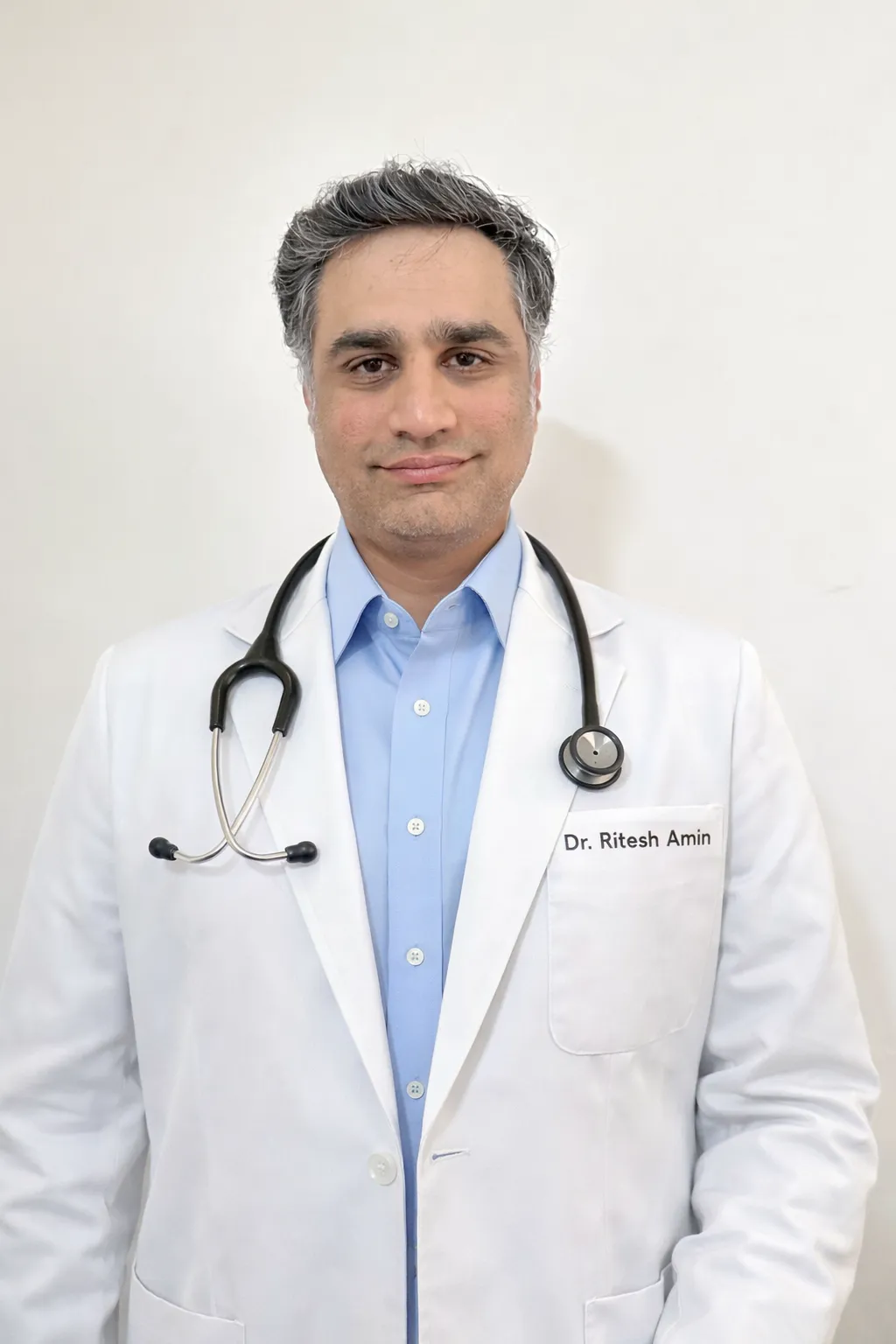
Dr. Ritesh Amin Providing Care
15+ Years of
Experience
Meet Your Doctor

Dr. Ritesh Amin, MD

ABPN Certified TMS Specialist NJ Licensed

Board-Certified Psychiatrist specializing in Treatment-Resistant Depression and Advanced TMS Therapy.

With extensive clinical experience, Dr. Amin is dedicated to providing compassionate, evidence-based care. His personal philosophy centers around treating the whole person, not just the symptoms, ensuring each patient receives a tailored approach to their mental wellness.

  • Top Tier Education and Medical Training
  • Board Certified by the ABPN
  • Specialized expertise in Neuromodulation
Book an Appointment
Superior Efficacy

The Neuromodulation Advantage

Standard oral antidepressants fail to adequately treat up to 30% of patients and are often accompanied by systemic side effects. TMS offers an FDA-approved paradigm shift.

Feature
TMS Therapy
Medication
Weight Gain Risk
None
High
Cognitive Fog
None (Often improves)
Common
Targeted Approach
Yes (Local brain networks)
No (Systemic)
Duration
6 Weeks (Curative intent)
Indefinite (Maintenance)
Patient Stories

Real People, Real Results

Hear from patients whose lives were transformed through Dr. Amin's care.

S

Syeda Shebah Ali

★★★★★
" Before becoming a patient of Dr. Amin, I was experiencing persistent cognitive fog, chronic depression, and generalized anxiety that significantly impacted my ability to function day to day. Since implementing Dr. Amin's comprehensive recommendations, my cognitive clarity has returned, my mood has stabilized, and I now have the energy and confidence to manage daily tasks. Dr. Amin's thoughtful and integrative approach has been transformative — his attention to detail and commitment to addressing root causes rather than just symptoms has helped me reclaim my quality of life.
Google Review
Got Questions?

Frequently Asked Questions

Find quick answers to some of the most common questions our patients ask about this treatment.

What neurological conditions can TMS treat?

While initially approved for depression, TMS is utilized off-label and in cutting-edge clinical protocols for conditions such as Traumatic Brain Injury (TBI), Stroke Recovery, Functional Neurological Disorders (FND), and certain movement disorders. Dr. Amin conducts a thorough evaluation to determine if TMS is appropriate for your specific neurological profile.

Does TMS replace my physical therapy?

No, TMS works best as an augmentative therapy. By "priming" the brain with magnetic stimulation, patients often find they get much better results and faster progress from their concurrent physical, occupational, or speech therapies.

Is neuro-TMS safe after a stroke?

Yes, TMS has been extensively studied for stroke recovery, particularly for motor weakness and aphasia. It is considered safe and well-tolerated, though a full medical clearance is required to ensure there are no contraindications (like certain implanted metallic devices in the head).

How many sessions are required for neurological recovery?

Neurological protocols vary significantly depending on the condition being treated. While standard psychiatric protocols are usually 36 sessions, neurological recovery protocols are highly individualized. Dr. Amin will design a custom treatment schedule during your consultation.

Take Action

Return to the Life You Deserve

Contact Dr. Amin's clinic today. Schedule an in-depth consultation to see if this treatment is right for you, and begin your journey to recovery.

Book Your Evaluation